Exploring Synchronization of Visual Timing and Probabilistic Outcomes in Mobile Gaming Platforms
Bianca Braun · Nov 18, 2026
Exploring Synchronization of Visual Timing and Probabilistic Outcomes in Mobile Gaming Platforms
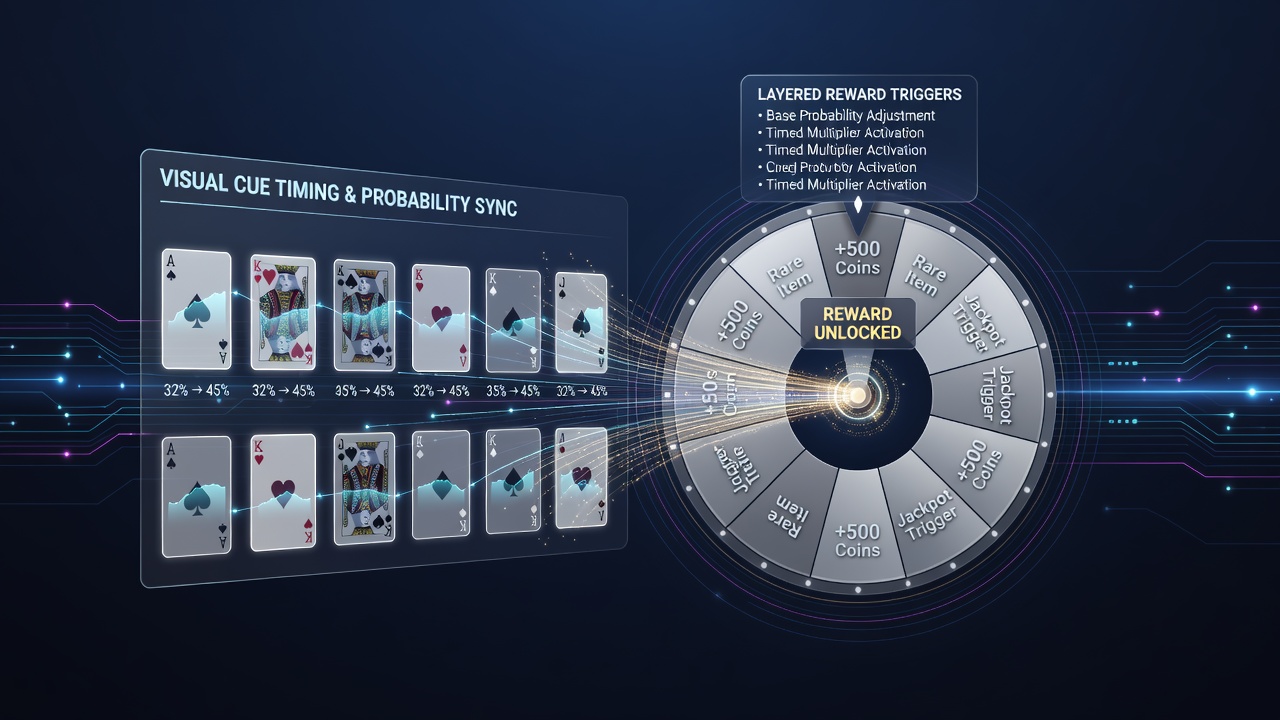
Portable applications integrate visual cue timing to align card draw sequences with wheel segment displays through coordinated animation layers that respond to underlying random number generators. Developers program these systems so that visual indicators appear at specific intervals while probability calculations for card values and wheel positions proceed independently yet remain visually synchronized during reward activation phases.
Mechanics of Visual Cue Integration
Applications employ timed triggers where card animations reveal results in tandem with wheel segment highlights, creating a layered presentation that activates under bonus conditions. Observers note that these cues often use color shifts or particle effects at predetermined milliseconds after a player initiates a draw or spin command, allowing the system to match display timing with the completion of probability resolutions. Research indicates that such synchronization occurs across multiple game modules where card probabilities from standard decks connect to wheel segments through shared reward pools.
Layered reward triggers introduce additional timing variables because bonus multipliers or free round activations depend on simultaneous outcomes from both card and wheel elements. Data shows that when a card draw yields a high-value result, the wheel segment animation extends its rotation phase to match the reward calculation window, ensuring visual continuity without altering the independent random outcomes.
Card Draw Probability Alignment
Card draw systems in these platforms rely on pseudorandom algorithms that determine suit and rank distributions before visual rendering begins. Timing protocols then delay or accelerate card flip animations to coincide with wheel segment slowdowns, particularly when layered incentives combine payouts from both mechanics. Experts have observed that probability tables for card sequences remain fixed at the RNG level while visual pacing adjusts based on server-side flags for active reward layers.
Studies from academic sources on gaming technology reveal patterns where card probability clusters influence how long wheel segments remain highlighted during transition periods. For instance, a sequence favoring face cards may prompt extended wheel dwell times on adjacent segments to visually echo the accumulating reward value.
Wheel Segment Synchronization Under Rewards
Wheel mechanics incorporate segment hit detection that syncs with card draw completions through shared event listeners in the application code. When layered rewards activate, segment highlight durations extend or contract to align with card result displays, maintaining player attention across both interfaces. Figures from industry analyses demonstrate that these adjustments occur within 200 to 800 millisecond windows to preserve perceived fairness while supporting complex trigger conditions.
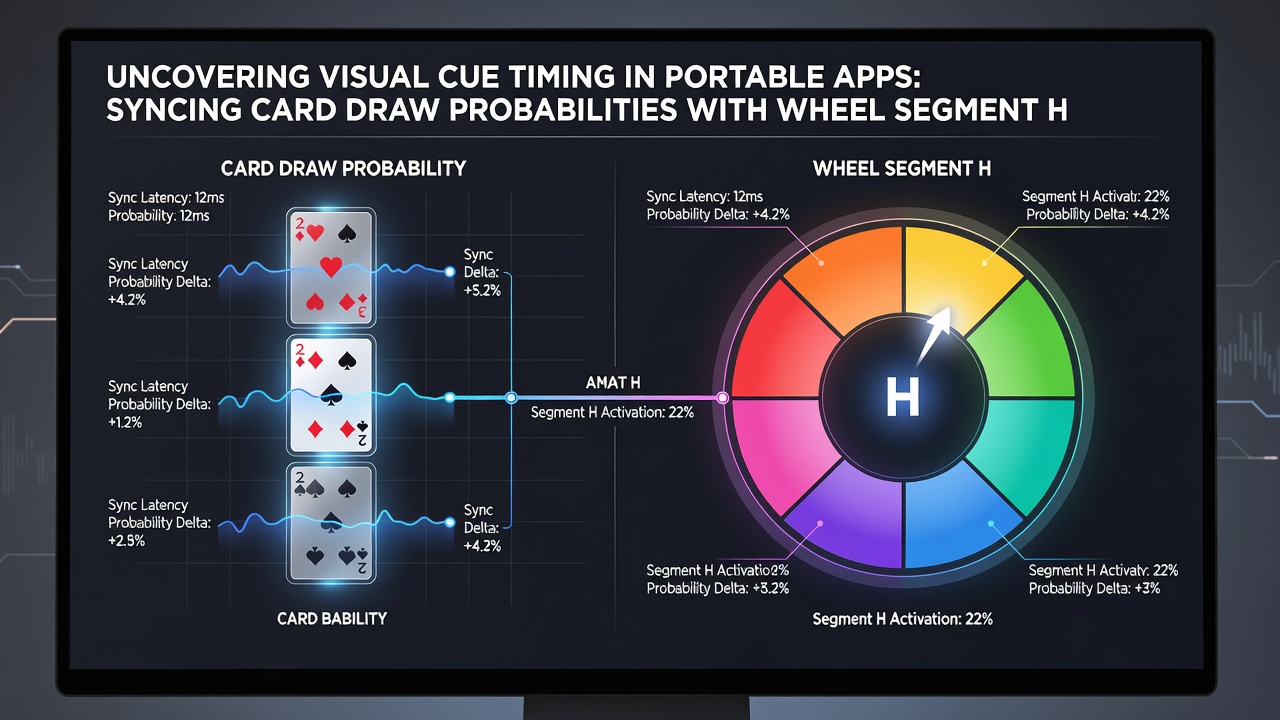
Portable platforms handle this through client-side rendering engines that receive pre-calculated timing offsets from backend servers. The approach allows wheel segments to display hit probabilities visually while card draws resolve in parallel streams, with both elements converging at reward distribution points. Reports compiled in November 2026 by regulatory bodies such as the Nevada Gaming Control Board highlight ongoing reviews of these timing frameworks to ensure compliance with outcome integrity standards.
Layered Reward Trigger Dynamics
Reward layers function as conditional modules that activate when card and wheel results meet combined thresholds. Visual cue timing then serves as the bridge, sequencing animations so that probability resolutions appear interconnected even though they derive from separate RNG streams. Those who have examined app architectures note that trigger conditions often involve multiplier stacks where a successful card draw extends wheel segment dwell to amplify visual emphasis on potential hits.
Additional data from trade organizations like the American Gaming Association indicates that such systems process thousands of concurrent sessions daily, with timing adjustments scaled according to device performance metrics. This ensures consistent synchronization across varying network conditions without modifying core probability calculations.
Conclusion
Technical implementations in portable apps continue to refine how visual cues coordinate card draw and wheel segment presentations under reward conditions. Current frameworks emphasize precise timing offsets that maintain separation between probability engines and display layers, supporting transparent outcome delivery across mobile environments. Ongoing documentation from regulatory and research entities tracks these developments as platforms evolve their synchronization methods.