Charting Interlinked Prize Mechanics Across Digital Table and Reel Experiences in Reward-Driven Portable Platforms
Devon Foster · Sep 9, 2026
Charting Interlinked Prize Mechanics Across Digital Table and Reel Experiences in Reward-Driven Portable Platforms
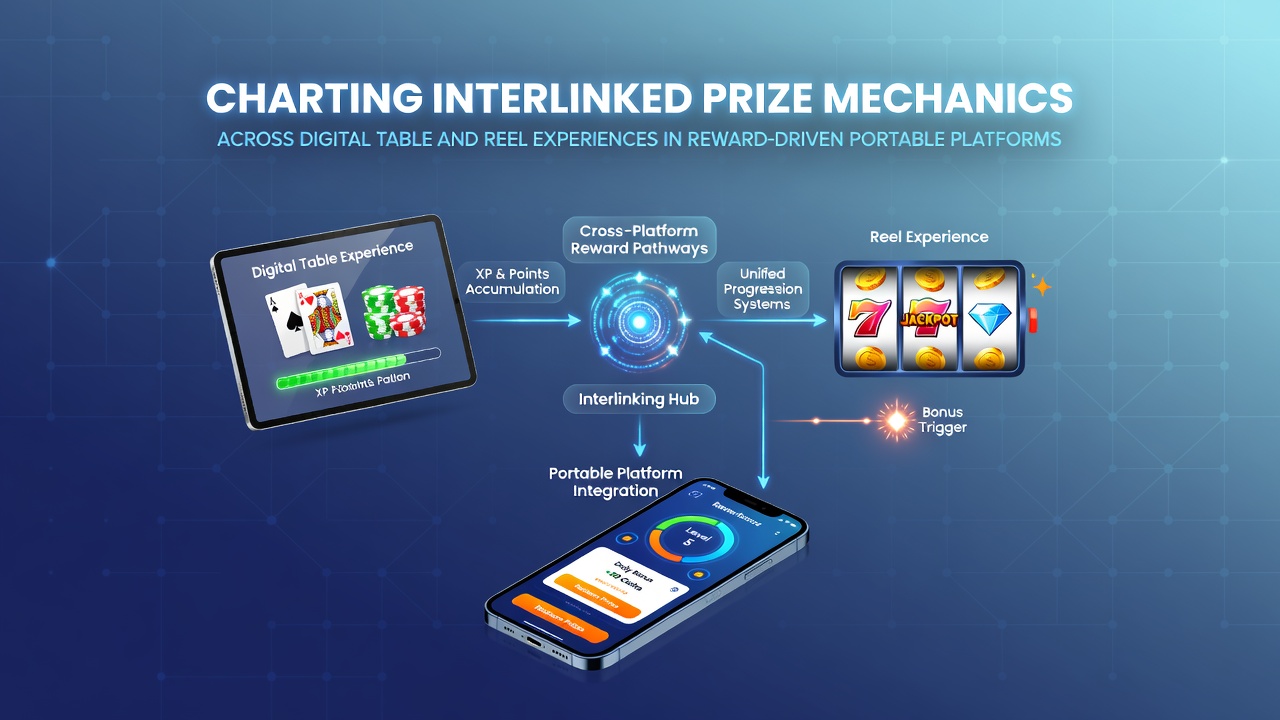
Portable platforms have developed complex systems where prize mechanics from table-style games connect directly with those found in reel-based formats, and operators track these links through shared reward ledgers that update in real time across devices. Data from industry reports shows that mobile users encounter unified progress bars and tiered multipliers that draw value from both card-draw sequences and symbol alignment patterns, while backend servers log each action into a single player profile.
Core Structures in Mobile Reward Systems
Developers build these environments around modular prize engines that assign point values to outcomes regardless of game category, and the engines apply those values to common pools that fund progressive jackpots or loyalty tiers. Research indicates that synchronization occurs through API calls every few seconds, which allows a completed hand in a table simulation to adjust available reel bonuses without requiring users to switch applications manually. Figures from the American Gaming Association reveal that over 60 percent of mobile gaming revenue in North America now flows through such unified systems, and similar patterns appear in European markets tracked by national statistics offices.
Table Game Prize Pathways
Digital table experiences generate prizes through decision trees that record win probabilities and stake multipliers, then feed those results into a central ledger visible across the entire platform. Observers note that when a player completes a sequence of successful decisions, the system records cumulative points that unlock reel-specific features such as extra spins or symbol upgrades, and this transfer happens automatically once thresholds are met. Studies from academic gaming research centers document how these pathways maintain mathematical consistency by using weighted algorithms that balance payout rates between game types, which prevents any single category from dominating the overall reward distribution.
Reel Mechanics and Cross-Format Integration
Reel-based games contribute to the same interlinked structure by converting symbol matches into points that influence table-game elements, including temporary stake reductions or enhanced decision options during live sessions. The process relies on timestamped event logs that merge data from spinning reels with table outcomes, and operators use this merged data to calibrate daily or weekly challenges that span both formats. What's notable is that September 2026 brought platform-wide updates in several regions, where new regulatory guidelines from Canadian provincial authorities required clearer disclosure of how points transfer between game categories, prompting developers to publish simplified flow diagrams for users.
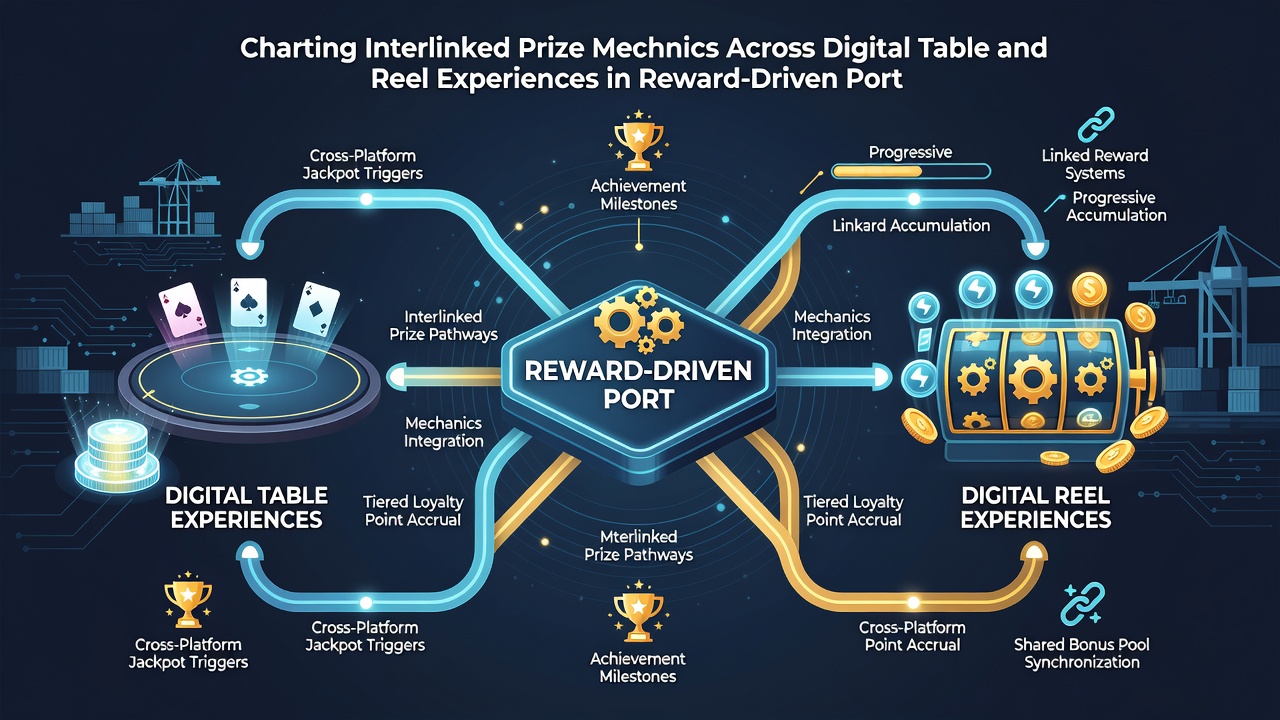
Integration continues through shared volatility indexes that adjust prize frequency across both table and reel segments, and these indexes draw from aggregated user data collected over millions of sessions. Reports compiled by European gaming trade associations confirm that platforms maintaining these connections experience steadier engagement metrics because users can pursue objectives in whichever format suits their current session length.
Technical Implementation and Data Flows
Engineers achieve interconnection by maintaining a single account state stored on secure cloud servers, which updates whenever a device sends game results through encrypted channels. Each prize event carries metadata that identifies its source format, yet the final reward calculation treats all events equally once they reach the central engine. Researchers at university-affiliated gaming labs have examined these flows and found that latency remains under 200 milliseconds in most tested networks, allowing seamless transitions between table rounds and reel spins without interrupting the accumulation process.
Regional Variations in 2026
Platforms operating under Australian state regulations adopted additional audit requirements in September 2026 that mandate separate tracking of prize origins before they merge into unified pools, and similar steps appeared in select Asian markets where mobile penetration continues to rise. These rules do not alter the underlying mechanics but add layers of reporting that developers integrate through enhanced logging modules. Data collected by international gaming research networks shows consistent growth in cross-format participation following such regulatory adjustments, as users gain clearer visibility into how their activity contributes to shared rewards.
Conclusion
Interlinked prize mechanics on portable platforms operate through coordinated engines that treat table and reel outcomes as interchangeable inputs to common reward structures, and ongoing regulatory developments continue to shape how these connections are documented and disclosed. The systems rely on real-time data exchange and shared ledgers that maintain balance across formats while meeting regional compliance standards. As mobile usage expands, the technical frameworks supporting these interconnections remain central to platform design and user progression tracking.